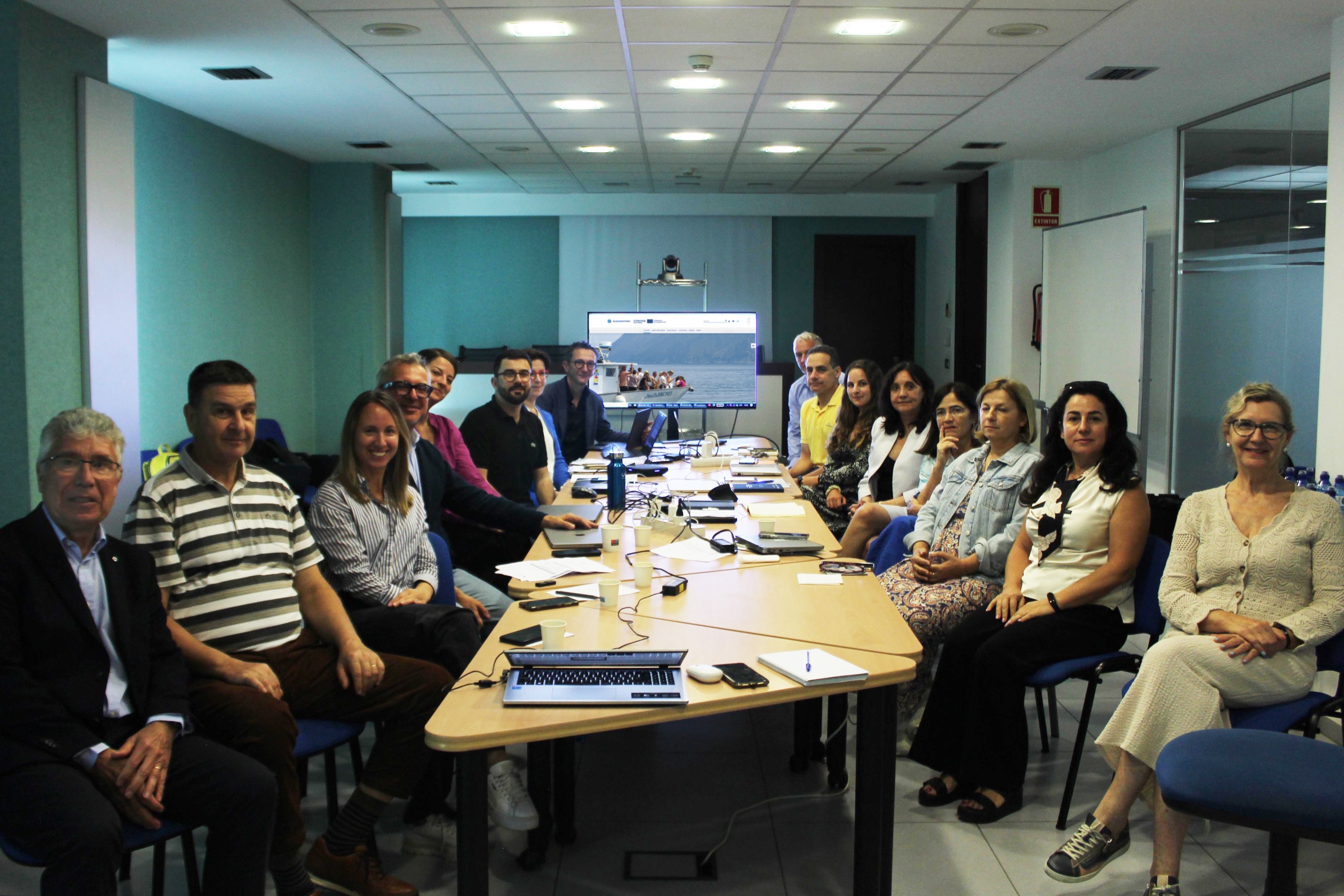

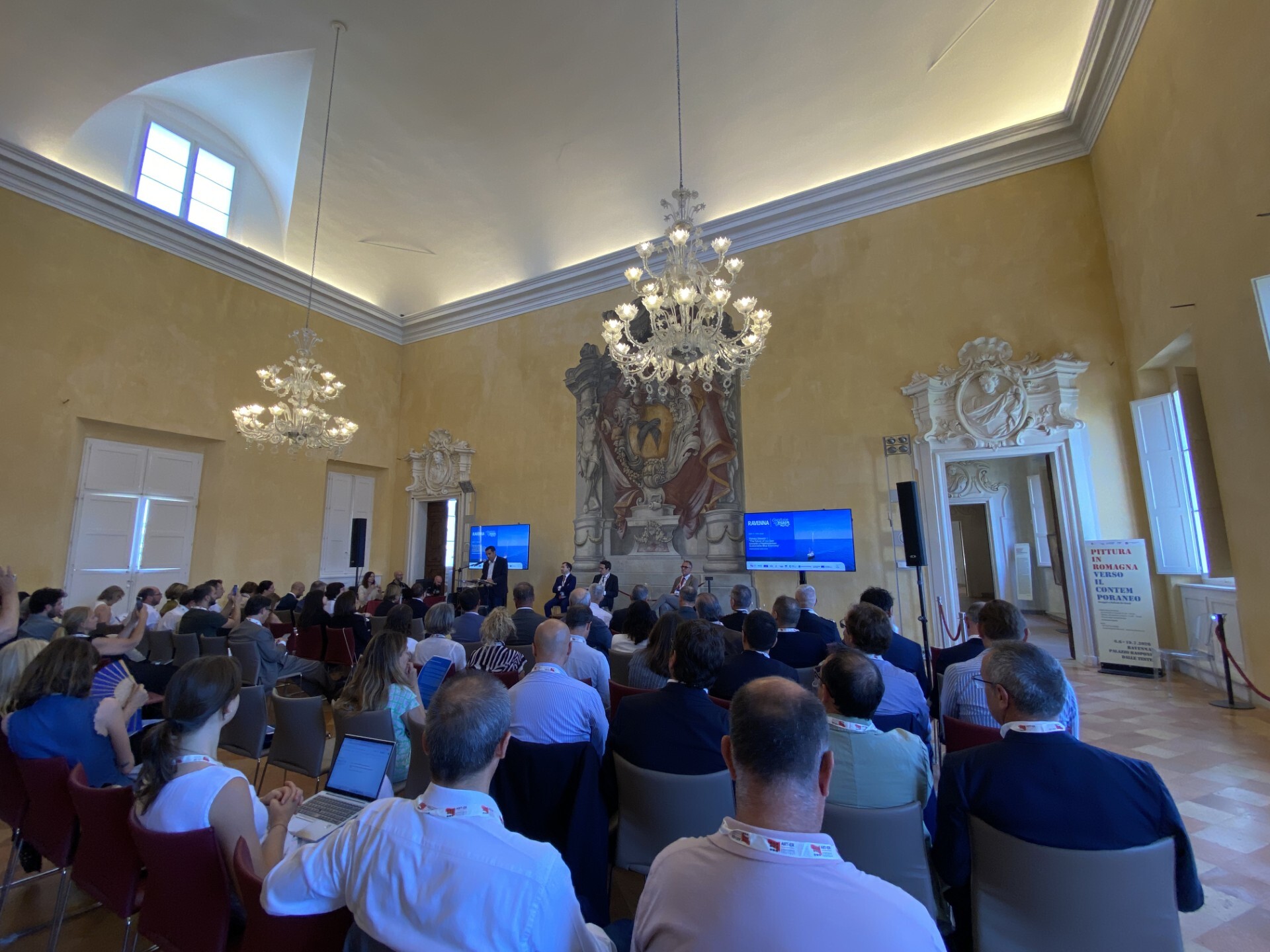
The international conference “Advancing the sustainable blue economy in the Mediterranean: Forging a sustainable blue economy through transformative innovation”, held last 17 and 18 June in Ravenna (Emilia-Romagna, Italy), brought together European institutions (DG Research & Innovation, DG MARE, DG REGIO), research organisations (Consiglio Nazionale delle Ricerche -CNR-, Cyprus Marine and Maritime Institute -CMMI-), project partners (Hellenic Centre for Marine Research -HCMR-, Emilia Romagna –regional authority and ART-ER-, Alentejo – Alentejo Regional Development Agency, Occitanie/Région Sud – Pôle Mer Méditerranée -, Zadar County –Chamber of Commerce–, Albania –University Aleksandër Moisiu-, Cyprus – Chrysalis LEAP – Balearic Islands –Balearic Marine Cluster-, Intermediterranean Commission of the CPMR),and other innovation stakeholders to discuss the future of the Mediterranean blue economy.
Organised within the framework of Ravenna Sea Capital 2026 by the Emilia-Romagna Region (ERR) and ART-ER, together with BIG Cluster, OMC Med Energy, and the Municipality of Ravenna, the event provided a platform for dialogue on the transition from the concept of “blue growth” towards a sustainable blue economy, where environmental sustainability becomes the foundation of economic development and innovation across maritime sectors.
Towards a Mediterranean sustainable and innovative blue economy
In the context of increasing environmental challenges, climate change impacts, biodiversity loss, marine pollution, and geopolitical pressures in the Mediterranean basin, research, innovation, multilevel governance, and cooperation can support the transition towards a more sustainable and resilient blue economy.
The conference opened with a high-level dialogue, highlighting the intervention of Iglika Yakova (Deputy Head of Unit, DG MARE, European Commission), who presented the European Ocean Pact, a strategy aimed at aligning all EU policies related to the sea and maritime activities under a coherent framework. She also highlighted the OceanEye initiative, designed to place the European Union at the forefront of ocean observation and monitoring, as well as the recent publication of the Strategies for Islands and Coastal Communities to strengthen resilience and sustainable development in maritime territories.
Elisabetta Balzi (Mission Ocean, European Commission) recalled that the future EU Ocean and Waters Research & Innovation Strategy is currently open for contributions, and provided an overview of the EU Mission “Restore Our Ocean and Waters by 2030”. She also introduced the Blue Champions, a collaborative program by the European Investment Bank (EIB) and the European Commission which offers technical assistance and feasibility studies to support innovative blue economy projects. Particular attention was given to the progress made in marine protection: EU Marine Protected Areas have increased from 4.1% in 2012 to 13.7% in 2025, although significant efforts are still required to reach the 30% target by 2030. She also highlighted initiatives such as the Blue Parks and the growing MPA Community.
Ernesto Azzurro (CNR) focused on the impacts of climate change in the Mediterranean, particularly the spread of invasive species, the ongoing tropicalisation of the basin, and other emerging ecological phenomena. He also discussed the potential for developing new sustainable blue value chains, including commercial uses for certain invasive species and alternative applications, such as cosmetic products, for species that cannot be exploited for food purposes due to toxicity.
Cristian Chiavetta (ENEA – WestMED Hub Italy) presented the work of the WestMED Assistance Mechanism, which supports the development of projects, partnerships, and thematic cooperation across the Western Mediterranean.
Throughout the discussion, speakers stressed the importance of strengthening cooperation between Mediterranean northern and southern countries, aligning policies and governance frameworks, and ensuring that environmental sustainability remains at the centre of future maritime development strategies. In this sense, George Petihakis (HCMR) explored the main challenges and opportunities facing the Mediterranean through the TASC-RestoreMed project, the new flagship initiative under the EU Mission “Restore Our Ocean and Waters by 2030.
Then, BLUE ECOSYSTEM partners presented the challenges and innovative solutions being developed across their regions within the context of the project TRAIN Labs. Tiziana De Nittis (Emilia-Romagna Region) presented initiatives on green ports and offshore innovation, highlighting the role of ports as hubs for sustainability, energy transition, and technological development. Corentin Sanguinetti (PMM, France) focused on smart infrastructure for sustainable ports, while Anabela Caeiro (ADRAL, Portugal) explored the synergies between coastal bioeconomy and sustainable tourism. Chrysa Efstratiou (HCMR, Greece) presented examples of nature-based solutions and smart port technologies, and Ariola Harizi (UAMD, Albania) addressed sustainable fisheries and blue skills development. Finally, Maša Jurin (HGK–CCE, Croatia) highlighted circular solutions for sustainable fisheries, while Stelios Procopiou (CLEAP, Cyprus) showcased innovative approaches to water awareness and sustainable resource management through digital technologies. Find out more about the solutions here.
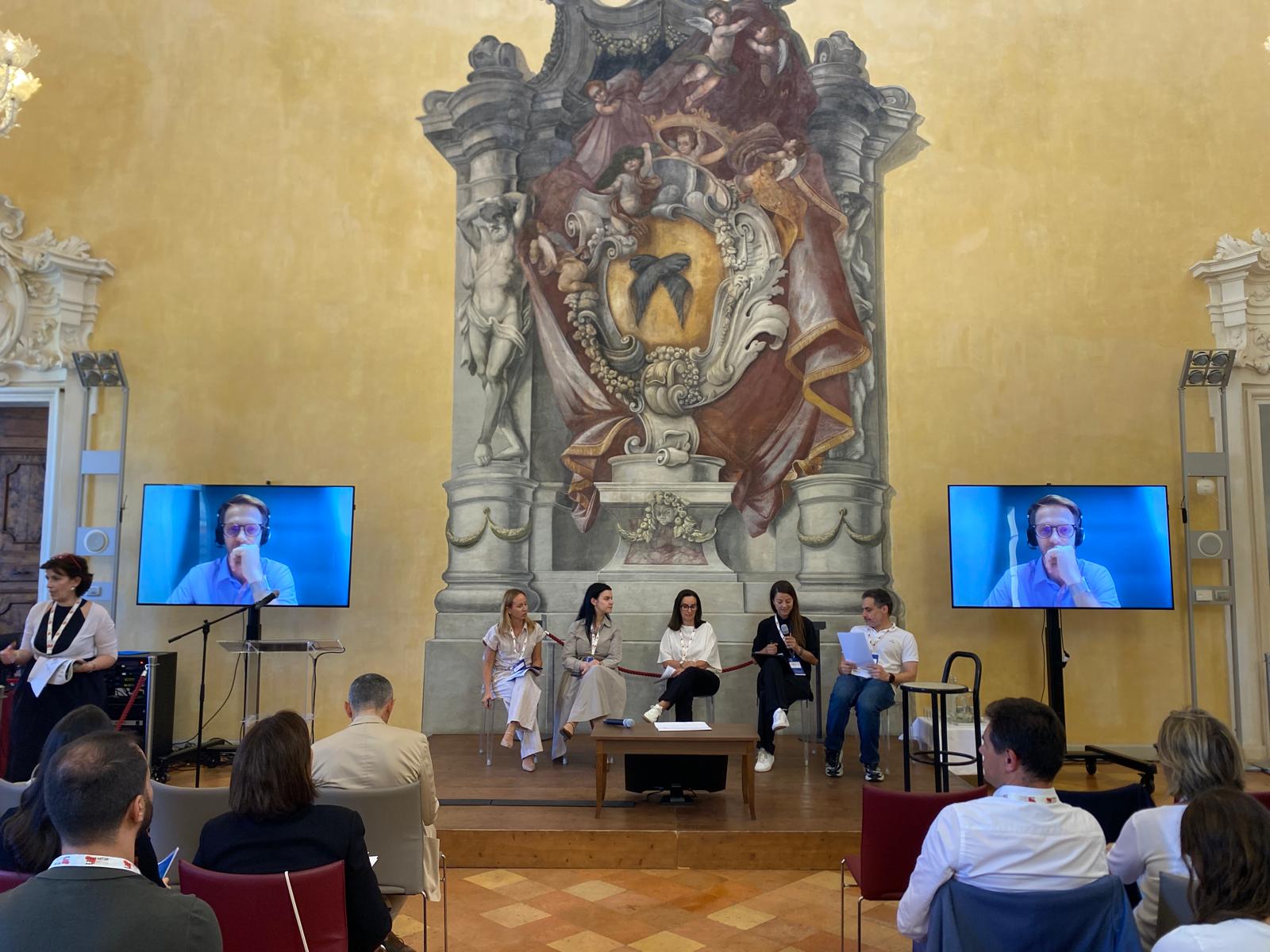
Day one concluded with an intervention by Gotelenne Piaton (CMMI), who presented the perspectives for a new Mediterranean “Lighthouse” initiative. Through the BLUE CONNECT project, the initiative aims to act as a coordination and facilitation backbone, connecting key stakeholders across the basin and mobilising both public and private investments to support transformative actions for sustainable blue economy.
Focusing on offshore technologies
The second day of the conference focused on offshore technological innovation and industrial applications. The technical sessions explored emerging technologies, investment opportunities, and circular approaches in key maritime sectors.
Discussions addressed recent developments in floating offshore technologies and the opportunities they create for industrial innovation, renewable energy deployment, and cross-sector collaboration. The session featured contributions from representatives of innovation clusters and industry actors, including Cluster BIG, Sea of Innovation Cantabria Cluster, AGNES, ADRIONWIND, and MARE Technology Cluster. Some of the key messages included:
- The role of floating offshore wind in supporting Europe’s energy transition.
- The importance of innovation ecosystems and interregional cooperation for offshore development.
- Opportunities for SMEs and industrial stakeholders to participate in emerging value chains.
- Research and technological advances supporting the deployment of offshore renewable energy solutions.
- The need for strategic planning and investment frameworks to accelerate market uptake.
Innovative approaches to offshore decommissioning were also explored, highlighting how circular economy principles can transform end-of-life infrastructure into new economic and environmental opportunities. Key topics discussed included:
- Opportunities for material recovery, reuse, and recycling.
- Environmental monitoring and ecosystem restoration.
- Innovative engineering solutions to reduce environmental impacts.
- The development of new value chains linked to decommissioning activities.
- The role of circular economy approaches in enhancing the sustainability of offshore industries.
All in all, the conference reaffirmed the strategic importance of the Mediterranean Sea as both an environmental asset and an economic engine. While representing only 1% of the world’s ocean surface, the Mediterranean remains central to global trade, tourism, fisheries, biodiversity, and maritime innovation. Participants highlighted the need to strengthen cooperation across shores, improve coordination among funding instruments and initiatives, accelerate the deployment of innovative low-carbon technologies, and promote governance models capable of addressing shared challenges.
BLUE ECOSYSTEM participation in the TIP Lab and the CPMR Intermediterranean Commission General Assembly
The BLUE ECOSYSTEM project also had the opportunity to participate in the first Transformative Innovation Policy Lab (TIP Lab), a collaborative initiative organized by the Interreg Euro-MED Project Dialogue4Innovation designed to address complex societal and environmental challenges through policy experimentation and stakeholder engagement.
The 1st (out of three) TIP Lab session took place on 19 June 2026 back-to-back the CPMR IMC General Assembly in Bologna and focused on diagnosing the main barriers and “lock-ins” that hinder sustainable water management in Mediterranean regions, while contributing to a common vision for a more water-resilient future.
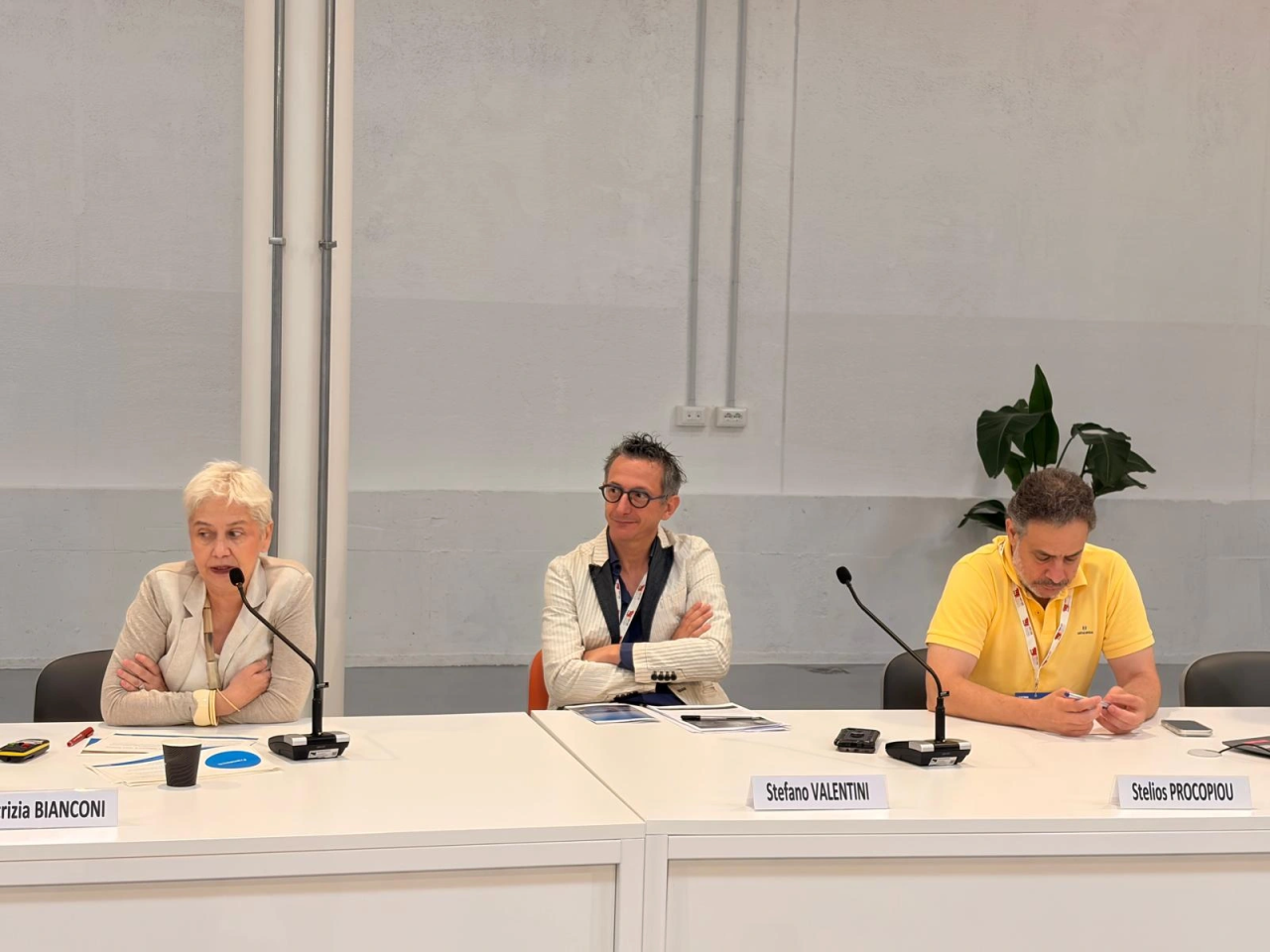
Stefano Valentini (ART-ER) presented the co-creation and co-design methodology used for the implementation of the TRAIN Labs, the BLUE ECOMATCH event and the process to engage stakeholders and deploy solutions. In addition, Stelios Procopiou (Chrysalis LEAP) presented the NAIADS solutions, an AI-powered simulation environment, which brings together disparate water data into a central platform for integrated water resource management. It will enable government, local authorities and private sector actors to simulate various actions that can help them save water, time and money.
What’s next?
- The 2nd TIP Lab will take place online in September 2026, focusing on knowledge exchange and the exploration of existing innovative solutions, capitalizing on technical insights and best practices from across the Mediterranean basin to refine the pathways toward water resilience.
- The 3rd TIP Lab is organized in Rimini (Italy) during the ECOMONDO Fair, on 3-6 November 2026, putting the spotlight on translating insights into policy-relevant recommendations towards a Strategic Action Plan, identifying common priorities and possible follow-up actions to ensure that the TIP Labs’ outcomes are fully aligned with Mediterranean-scale water policies and ready for institutional implementation in the following years.
- Final BLUE ECOSYSTEM project session during the ECOMONDO Fair, 3-6 November 2026.
- By October 2026, the launch of the “transformative Book for Blue sustainable economy,” compiling the overall project approach, the main outcomes and best practices for the mutual learning such as the BLUE ECOMATCH program.
Stay tuned to BLUE ECOSYSTEM social media for real-time updates (LinkedIn or website).
For further information about the project, please contact jordi.juarez@crpm.org