
In this new chapter of the Blue regions in action series, we move to Alentejo….!
In this Portuguese region, the TRAIN Lab was implemented as a regional acceleration and consultation hub, adapted to the specific territorial characteristics of the region, which include both Coastal Alentejo and the inland water system associated with the Alqueva reservoir. Rather than adopting a classic acceleration model (based on pitching and final project selection), the approach focused on mobilisation, diagnosis and collective validation, prioritising the generation of applied knowledge and strategic recommendations.
STEP 1: Mobilising the regional blue economy ecosystem
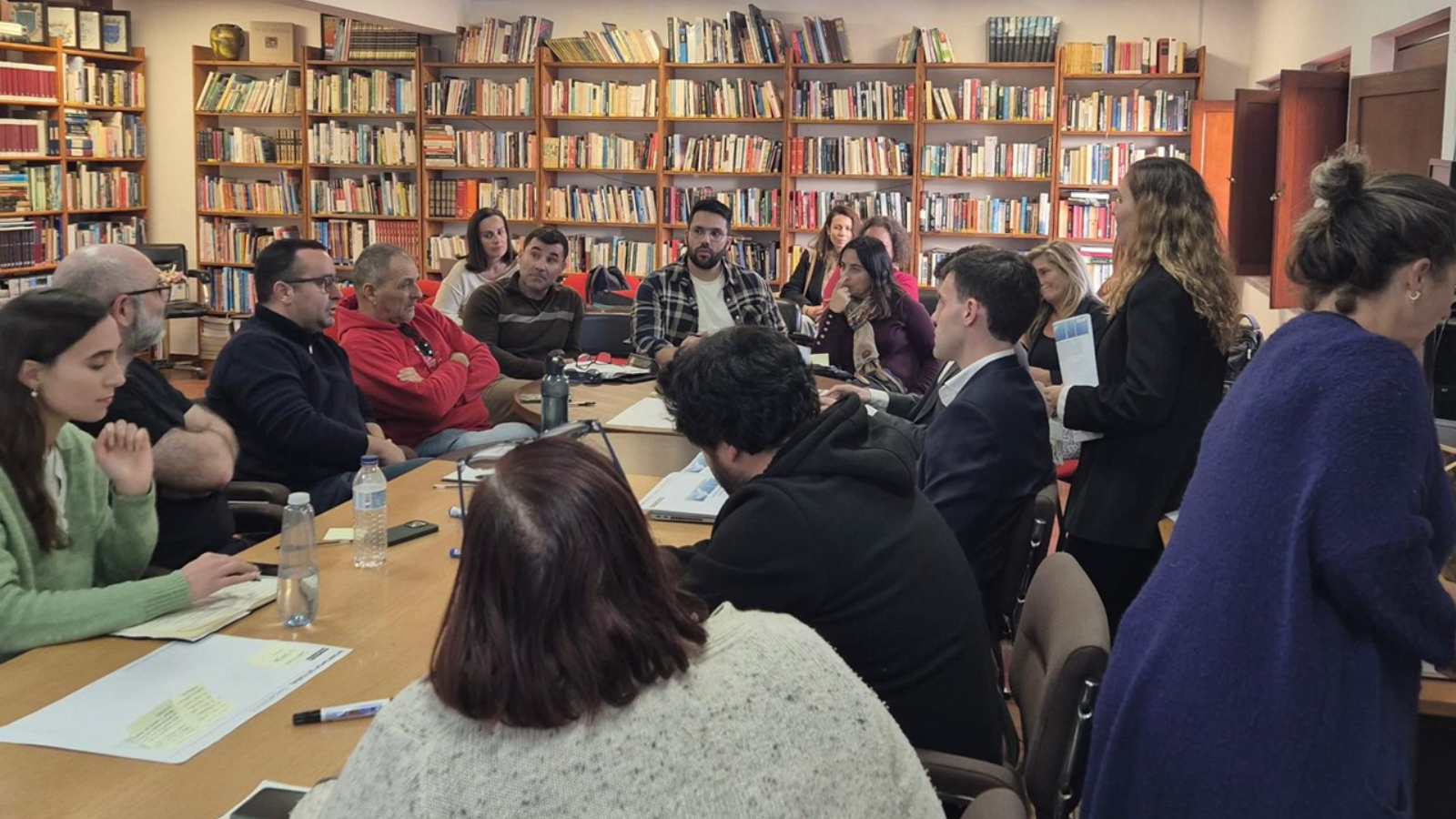
The TRAIN Lab process in Alentejo began with a Call for Expressions of Interest at national level, used as a mobilisation tool to activate the blue economy ecosystem and identify emerging ideas, territorial needs, and relevant stakeholder profiles.
This was followed by a Co-Creation InfoDay held on 26 November, which provided methodological and thematic framing, aligned expectations among participants, and identified ideas with the potential to feed into the TRAIN Lab process.
STEP 2: Structured co-creation through sectoral workshops
Three sectoral workshops were organized as structured consultation and co-creation spaces. All workshops followed a shared methodological framework to ensure consistency and comparability of outputs, including preparatory briefings, data-based contextualisation, structured input collection, plenary validation, and consolidation of recommendations across three levels: companies, public authorities, and regional associations.
- Leisure, Sport and Nautical Tourism
This workshop was organized on 3 December 2025 and brought together municipal authorities, tourism and nautical operators, accommodation providers, river cruise services, and regional development entities. 17 participants discussed structural constraints affecting nautical tourism, opportunities to diversify the offer and reduce seasonality, and the need for more integrated and sustainable destination management models.
- Ports, Transport and Logistics
Port authorities, logistics operators, municipalities, innovation centres, academia, and regional public bodies explored challenges related to decarbonisation and energy transition on 10 December 2025. The workshop, gathering 13 participants, highlighted operational, governance, and territorial barriers, while identifying realistic pathways to strengthen execution capacity and competitiveness.
- Fisheries, Aquaculture and the Seafood Industry
With a strong focus on artisanal fisheries, this session took place on 10 December 2025 and addressed mismatches between public policies and local practices, resource sustainability, and economic valorisation. The discussion among the 7 participants emphasised co-management models, value-based strategies, and the resilience of fishing communities.
STEP 3: ACCELERATING THE IDEAS THROUGH THE TRAIN LAB
A total of 9 proposals were submitted, of which 8 were selected for further development.
Bioeconomy – Agrofood (2 selected proposals)
-
Salicornia of Mira — Sustainable production of high-value plant-based salt, combining product innovation with coastal ecosystem conservation.
-
BlueShell Alentejo — Circular valorisation of mollusc shell waste, transforming by-products into higher-value materials and creating new local value chains.
Sustainable Tourism (4 selected proposals)
-
Blue Trails Vicentina — Community-based coastal ecotourism with environmental and cultural interpretation to raise conservation awareness.
-
Blue Carrying Capacity Lab — Pilot lab to assess, monitor, and manage tourism pressure in sensitive coastal areas, strengthening evidence-based governance.
-
TeleBoard (BeSurf) — Sustainable and inclusive surf equipment delivery service using electric vehicles, including adapted equipment for people with disabilities.
-
Alentejo Blue Observatory — Integrated coastal data platform aggregating environmental data to support planning, governance, and decision-making.
Transport and Logistics (1 selected proposal)
-
Smart Green Logistics for the Port of Sines — Improving efficiency and environmental performance of port-related logistics through digital solutions and low-emission practices.
Energy (1 selected proposal)
-
Hybrid Offshore Renewable Platforms for Alentejo — Concept for hybrid offshore platforms combining technologies such as offshore wind and floating solar, contributing to decarbonisation and renewable energy reinforcement.
Building on the insights and recommendations generated through the TRAIN Labs, the next step in Alentejo will be accelerating the innovative ideas received.
Stay tuned to BLUE ECOSYSTEM social media for real-time updates (LinkedIn or website).
For further information about the project, please contact jordi.juarez@crpm.org